
Cannabis cultivar trials in Brazil
Agronomic and phytochemical characterization of Cannabis sativa L. cultivars under tropical conditions
A cultivar that performs well in Europe or North America will not necessarily behave the same way in Brazil. Photoperiod, temperature, humidity and pest pressure change plant architecture, flowering time and yield. Before positioning a cultivar in a tropical market, breeders and seed companies need to know how it actually performs here.
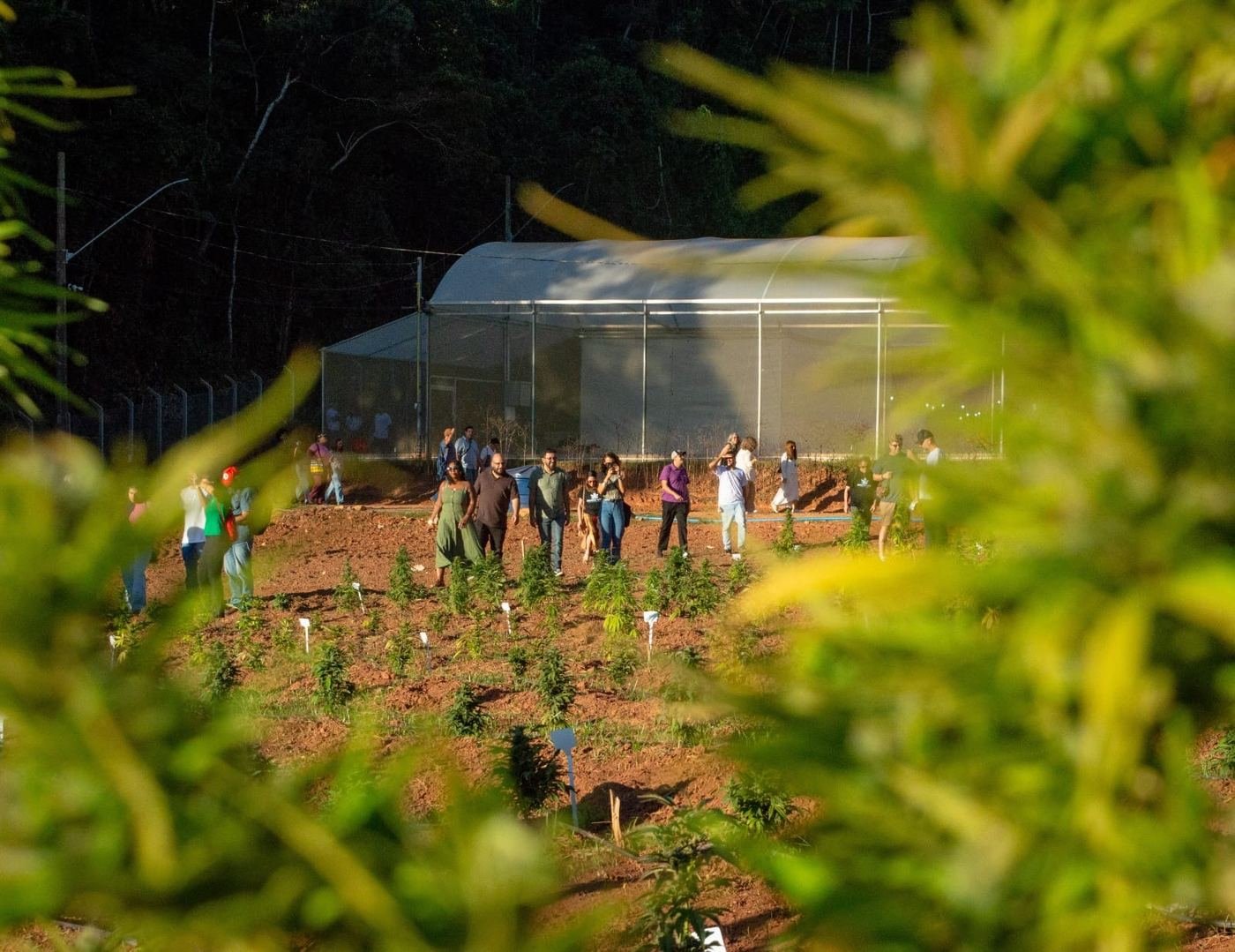
Cannabreed Brasil answers that question with structured trials at the Active Germplasm Bank of Cannabis sativa L. (BAGC/UFV), developed in partnership with the Federal University of Viçosa, in Viçosa, Minas Gerais: experimental data, measured under Brazilian conditions and treated statistically.
WhatsApp +55 31 99761-4333 · or write to contato@cannabreedbrasil.com
What a trial answers
Differences between cultivars
Are there measurable differences between the cultivars evaluated, trait by trait?
Agronomic performance
How does each cultivar develop, flower and yield under the conditions of Viçosa, Brazil?
Phenology
How do the cultivars behave under the Brazilian photoperiod?
Variability and stability
Which traits vary more or less, and how homogeneous is each cultivar in a Brazilian environment?
Phytochemical profile
Are there differences in the average cannabinoid profile of the cultivars?
Evidence for positioning
Traceable data to support decisions on the cultivars and their communication in the Brazilian market.
How a trial is conducted
- Experimental planning. Protocol and trial design, traits to be evaluated, Analytical Plan, cultural practices and the technical cooperation agreement with the BAGC/UFV. Deliverables: Experimental Protocol, Analytical Plan, BAGC/UFV Technical Cooperation Agreement
- Implementation in Viçosa. Reception of the propagation material, planting and identification of every plant at the BAGC/UFV. Deliverable: Implementation Record
- Monitoring and phenotyping. Technical management and phenotypic evaluation throughout the cycle: vegetative development, plant architecture, phenology, flowering, biomass and inflorescence production. Deliverables: Phenotypic Database and monthly progress updates with photos and data
- Harvest and sampling. Preparation, identification and dispatch of composite samples to the laboratory, according to the Analytical Plan. Deliverable: traceable phytochemical samples
- Analysis and report. Statistical analysis of the cultivar effect and of phenotypic variability, and technical interpretation of the results. Deliverable: Final Technical Report with a traceable database
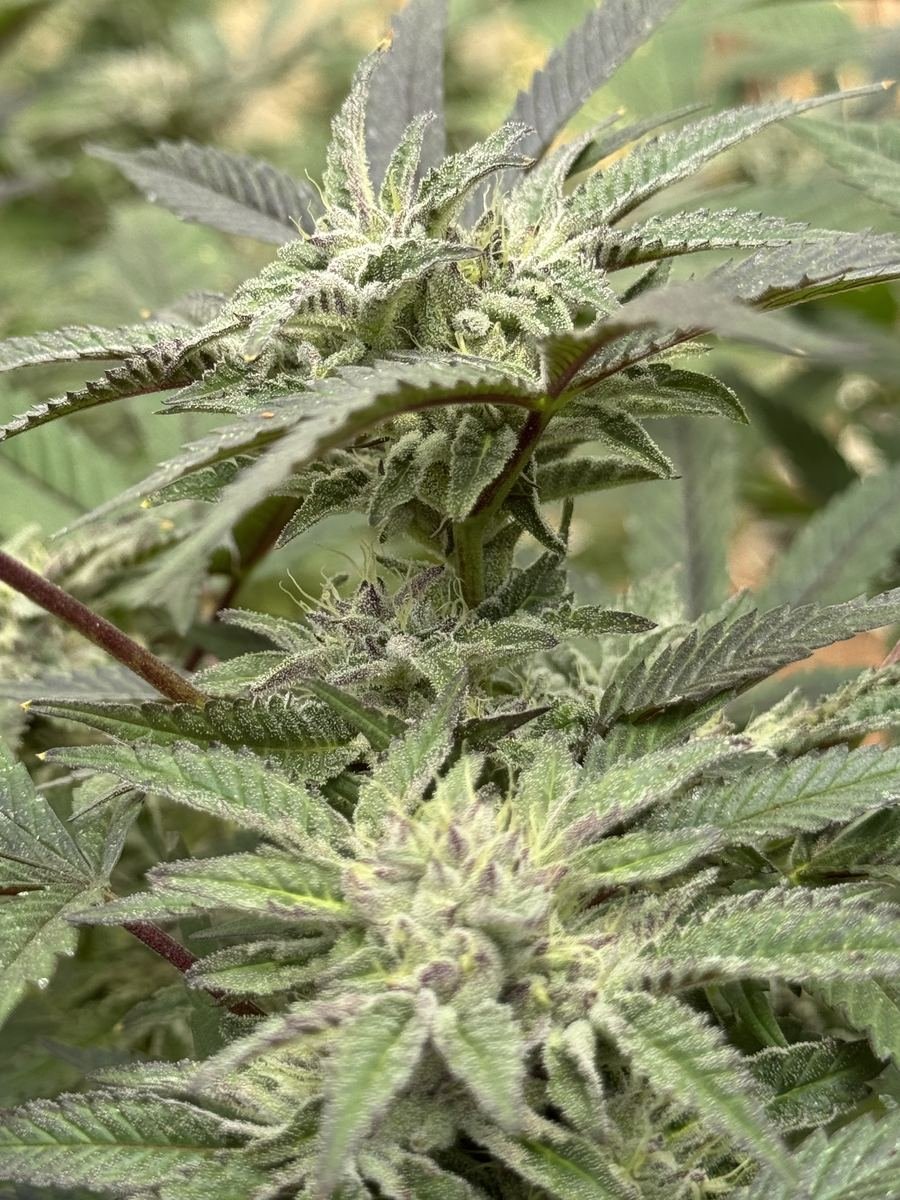
Clonal cultivars or feminized seeds
The same protocol applies to either form of propagation, defined for each project. What changes is what the results can say:
| Clonal cultivars | Feminized seeds | |
|---|---|---|
| Nature of the plants | Same genotype | Potential variation between plants |
| What is evaluated | Response of the genotype to the environment | Response of the cultivar to the environment |
| Phenotypic reading | Phenotypic plasticity | Phenotypic variability and homogeneity |
Why the BAGC/UFV
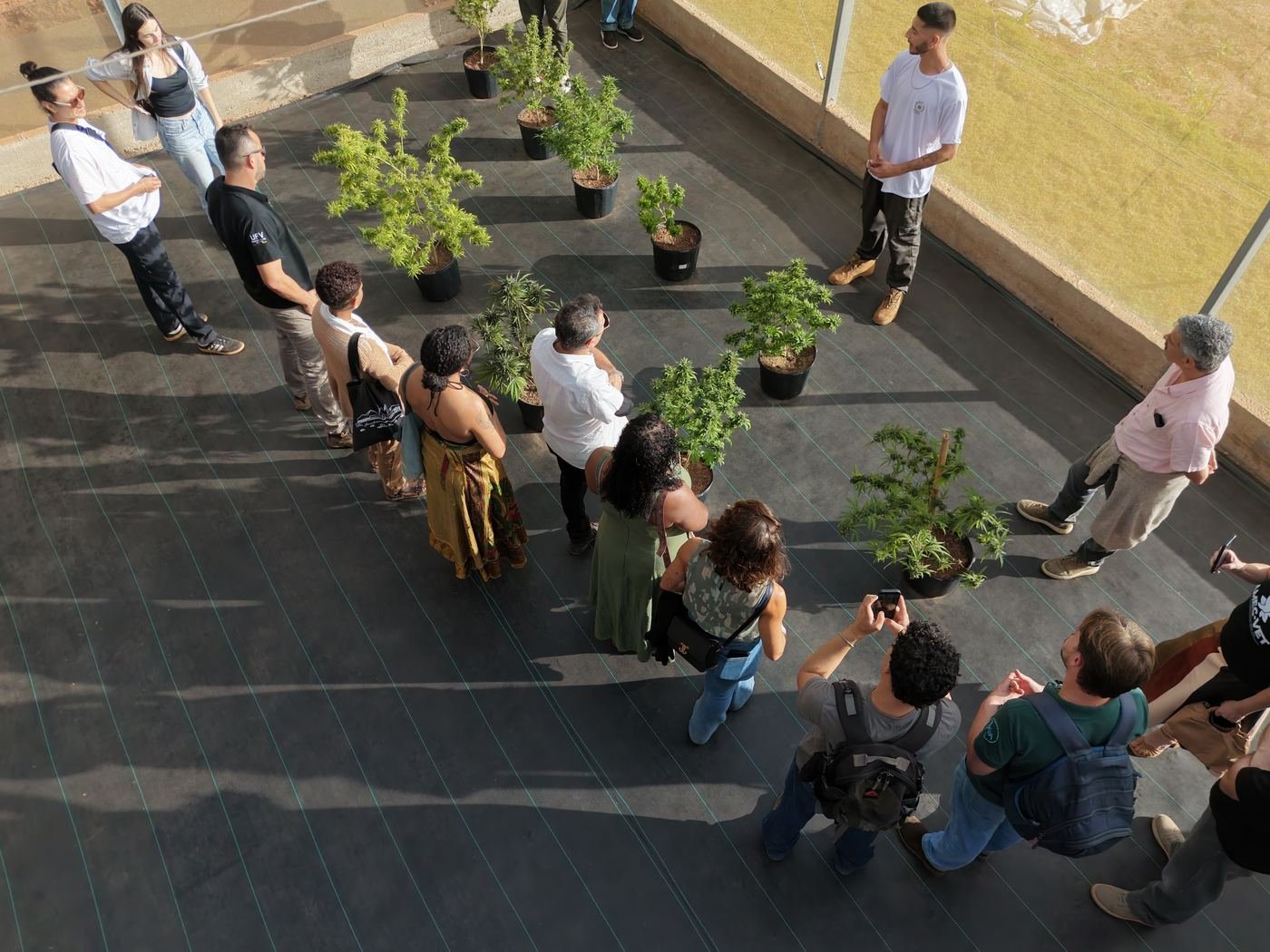
The Federal University of Viçosa, founded in 1926, is one of Brazil's leading institutions in agricultural science and tropical agriculture. The Active Germplasm Bank of Cannabis sativa L., inaugurated on its campus in August 2026, was developed with Cannabreed Brasil to conserve, characterize and evaluate genetics under Brazilian conditions, in a controlled environment and in the field.
Trials are conducted entirely at the BAGC/UFV, under a technical cooperation agreement with the university. No travel is required from the client: progress is reported monthly with photos and data.
Frequently asked questions
How many cultivars can be evaluated?
The trial is designed for each project. A preliminary study usually compares a few cultivars in one environment; larger programs can include more cultivars, more plants and additional locations.
What is included and what is quoted separately?
Planning, management of the trial at the BAGC/UFV, phenotyping, data analysis and the final report are part of the project. Laboratory phytochemical analyses, whose number is defined in the Analytical Plan, and the shipping of propagation material to Brazil are quoted separately.
How are regulatory aspects handled?
The conditions for importing propagation material and conducting the trial are reviewed case by case during the planning stage, before any commitment of material.
In which language are reports delivered?
Proposals, updates and the final technical report are delivered in English. Our team works in English and Portuguese.
How do we start?
Send us a message with the cultivars you would like to evaluate and your objectives in Brazil. We reply with a proposal describing the trial design, timeline and investment.
WhatsApp +55 31 99761-4333 · contato@cannabreedbrasil.com